
Table of Contents
Acamento 2026: What This Trending Word Actually Means (And Why Nobody Fully Agrees)

If you’ve searched acamento and found a dozen articles giving you a dozen slightly different answers, you’re not losing the plot. During research for this piece, we read through the most-cited explainers on this term, and they genuinely don’t agree — some call it a finishing technique borrowed from Portuguese, others call it a digital productivity platform, and a few even check whether you meant to type “Sacramento.” Here’s the straight version, without inventing a definition just to fill a page.
Also Read: Charfen.co.uk Legit? The Confusing Truth (2026)
What Is Acamento?
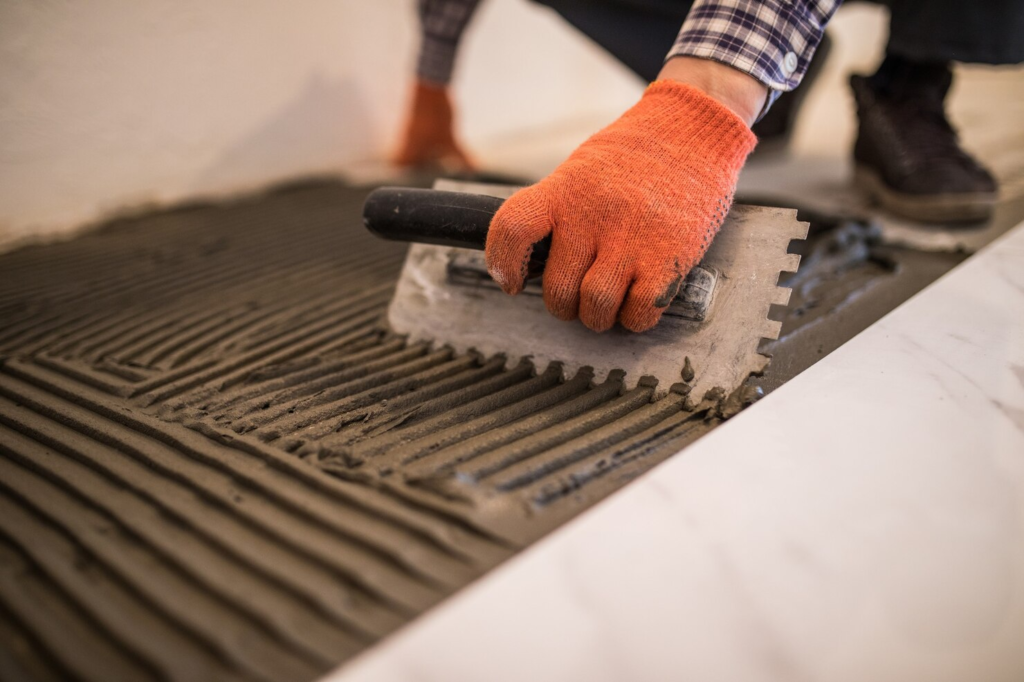
The honest starting point: acamento is not a standard, dictionary-listed word in English or Portuguese. After researching it directly, we found the real Portuguese word is “acabamento,” which genuinely does mean “finishing” or “completion” — used in construction, furniture-making, and design to describe the final surface work (paint, polish, coating) that completes a project. “Acamento” appears to be a simplified or misspelled variant of that word that picked up traction online.
From there, the term split into two directions, and neither has a single authoritative source:
- The finishing-touch meaning — close to the original Portuguese sense, used to describe the final detailing stage in construction, interior design, or furniture work
- The digital platform means — a newer, looser usage describing workflow or team-management tools, with no single confirmed company or app behind it
We’re not aware of either usage appearing in a standard dictionary, and during research, we couldn’t verify a named company, founder, or registered product actually called “Acamento.” If you’ve heard the term and aren’t sure which sense applies, the context you found it in matters more than the word itself.
Why “Acamento” Became a Trending Search Term?

Terms like this tend to spread the same way: a simplified or misspelled version of a real word gets used in a few early articles, search interest ticks up because people are confused rather than because the term is established, and more sites pile on to capture that confusion-driven traffic. That’s a known pattern with internet-born vocabulary — the word spreads faster than any agreed definition does.
In acamento’s case, the construction/design meaning has a real linguistic root to point to (acabamento). The “digital platform” meaning doesn’t have the same backing — we could not locate a verifiable company, app store listing, or business registration for a product by this name. That doesn’t mean no such tool exists anywhere, only that we couldn’t confirm one, and you should treat specific claims about it (user counts, feature lists, integrations) as unverified until you find a primary source.
What Still Holds Up?
To be fair to the term, some of what’s written about it is reasonable:
- The construction/design “finishing touches” meaning has a genuine linguistic basis in the Portuguese word acabamento
- The general concept — that final detailing matters in design, construction, or any finished product — is true and not unique to this word
- Using “acamento” as a stylised, simplified term in branding or casual writing isn’t inherently wrong, the same way many brands adopt loosely translated words
What Doesn’t Hold Up?
This is where most existing articles overreach. We found repeated claims of “Latin origins” tied to ideas of “bonding and connecting” that don’t match any verifiable etymology — Portuguese is a Romance language descended from Latin, but that doesn’t mean every Portuguese-rooted word carries some deeper symbolic meaning about human connection. That’s invented meaning dressed up as a linguistic fact.
We also found specific user testimonials — an unnamed “entrepreneur” who saved hours weekly, a “freelance graphic designer” who improved client relationships — with no verifiable names, businesses, or sources. Several articles describe detailed platform features (AI automation, Slack and Zoom integration, visual analytics) for a product we could not confirm exists. Treat any specific feature claim about an “Acamento platform” as unverified.
Is Acamento a Real Product You Can Use?
We could not verify a specific company or app operating under this name with confirmable details — no founder, headquarters, pricing page, or app store listing turned up during research. If you’ve seen a specific tool calling itself “Acamento” and you’re considering using it, check directly for a company registration, a working contact page, and reviews on an independent platform before trusting feature claims or testimonials.
Acamento vs. Acabamento: Quick Comparison
| Acamento (online usage) | Acabamento (Portuguese original) | |
|---|---|---|
| Status | Informal, internet-spread term | Standard Portuguese word |
| Verified meaning | Loosely defined, varies by site | Finishing/completion, confirmed |
| Common contexts | Mixed — design, “digital platform,” casual branding | Construction, furniture, manufacturing |
| Dictionary listed | No | Yes (Portuguese) |
Is It Legal to Use the Term “Acamento”?
Yes — there’s no legal issue with using an informal or coined term in writing or branding. It’s not a registered trademark we could find, and using a stylised or simplified word isn’t unlawful. The caution here isn’t legal, it’s about accuracy: presenting an invented etymology or an unverifiable product as established fact is a content-quality problem, not a legal one.
Should You Still Use the Term?
If you’re using “acamento” loosely to mean “finishing touches” in a casual or branding context, that’s a reasonable, low-risk usage. If you’re trying to research a specific “Acamento” digital platform because you saw it mentioned somewhere, we’d recommend verifying the actual company before relying on any site’s feature list or reviews.
Frequently Asked Questions
Is acamento a real word?
Not in standard English or Portuguese dictionaries. It appears to be an informal variant of the Portuguese word “acabamento,” meaning finishing or completion.
Is there an actual Acamento app or platform?
We could not verify a specific company, founder, or product registration for a digital platform by this name during research. Treat specific claims about one cautiously.
What does acabamento mean?
It’s a standard Portuguese word meaning “finishing” or “completion,” commonly used in construction, furniture-making, and design to describe final surface treatment.
Why do different websites define acamento so differently?
Because it’s an informal, internet-spread term without a single authoritative source, multiple unrelated definitions have developed independently across content sites.
Could “acamento” just be a typo for something else?
It’s also been flagged as a possible misspelling of “Sacramento” in some search contexts, so the intended meaning depends heavily on where you encountered the word.
Final Thoughts
The most accurate thing anyone can tell you about acamento is that it isn’t a fixed, established term — it’s a simplified offshoot of the real Portuguese word acabamento, plus a separate online usage describing an unverified digital platform. Both can be useful framings depending on context, but neither should be presented as settled fact, and any specific testimonial or feature claim attached to an “Acamento platform” should be checked independently before you rely on it.